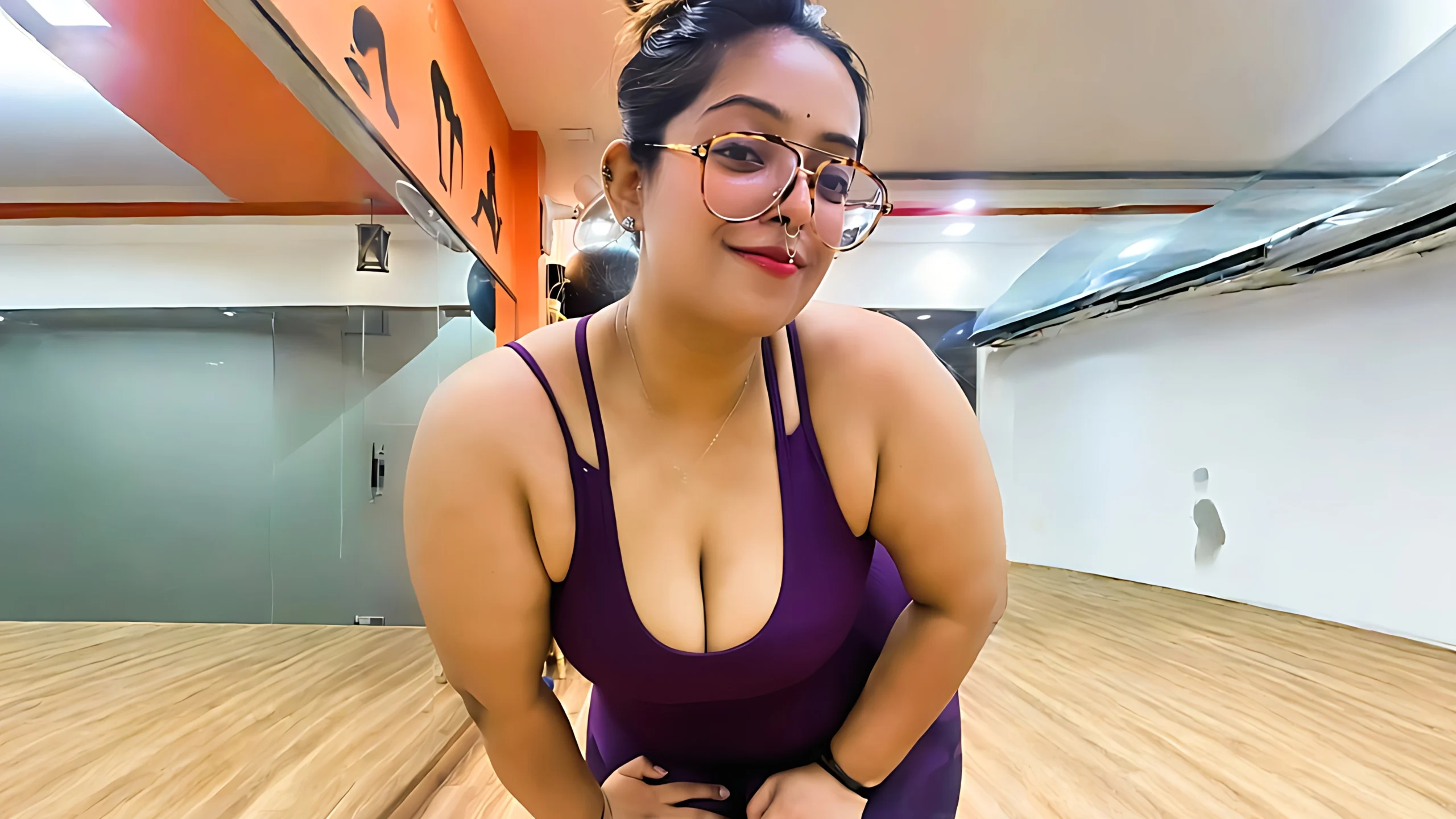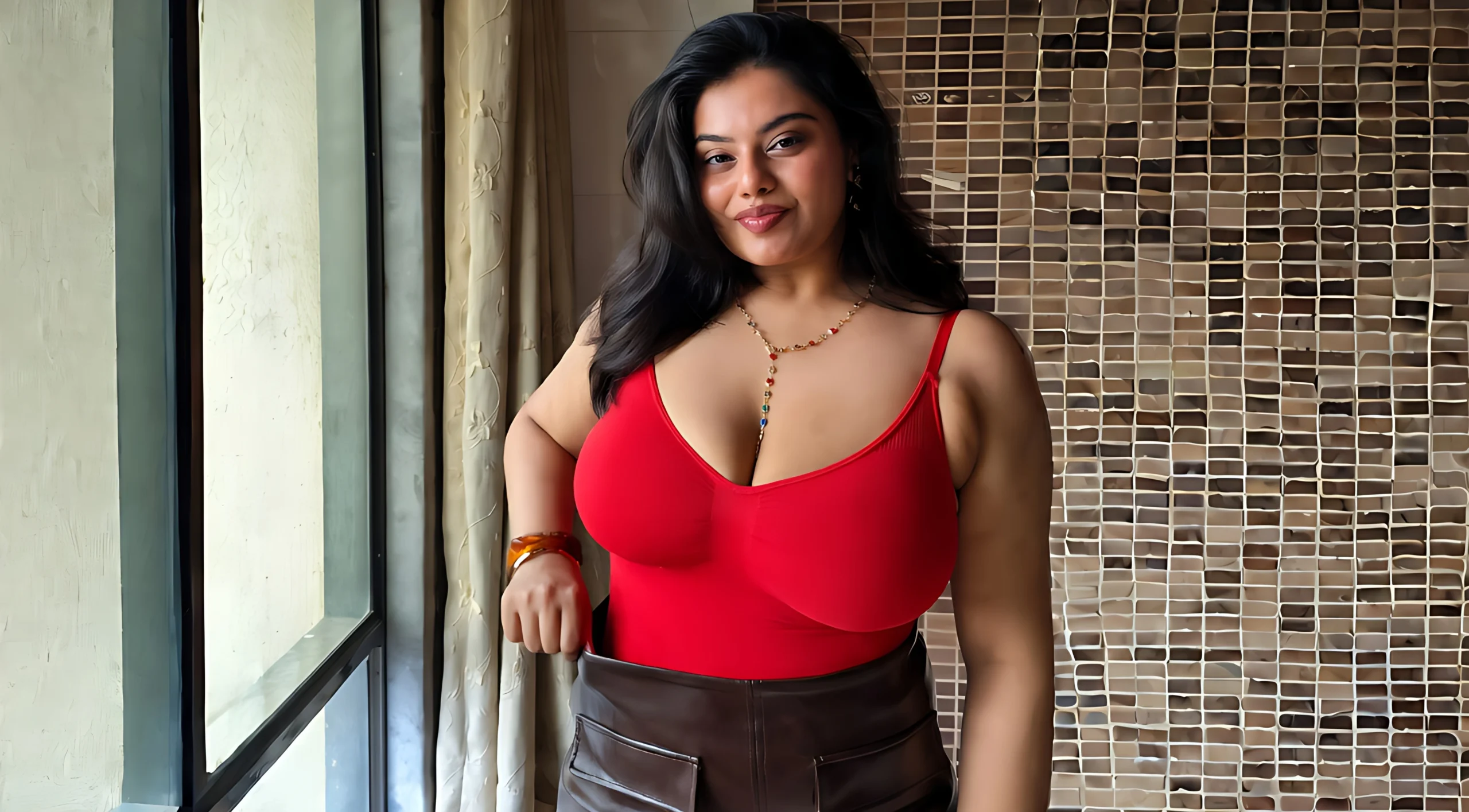



Henna: Her Quiet Revolution, Unlikely Icon, Unfiltered Body
Henna transforms bold curves and quiet defiance into a revolution of visibility, proving unapologetic presence is the most powerful statement.
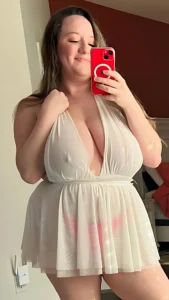
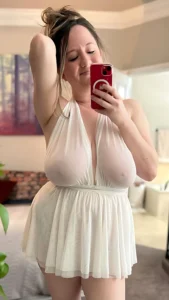
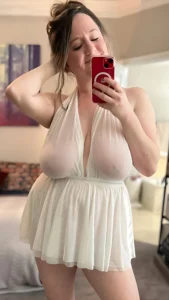
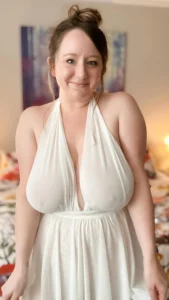
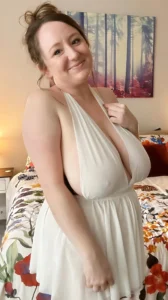
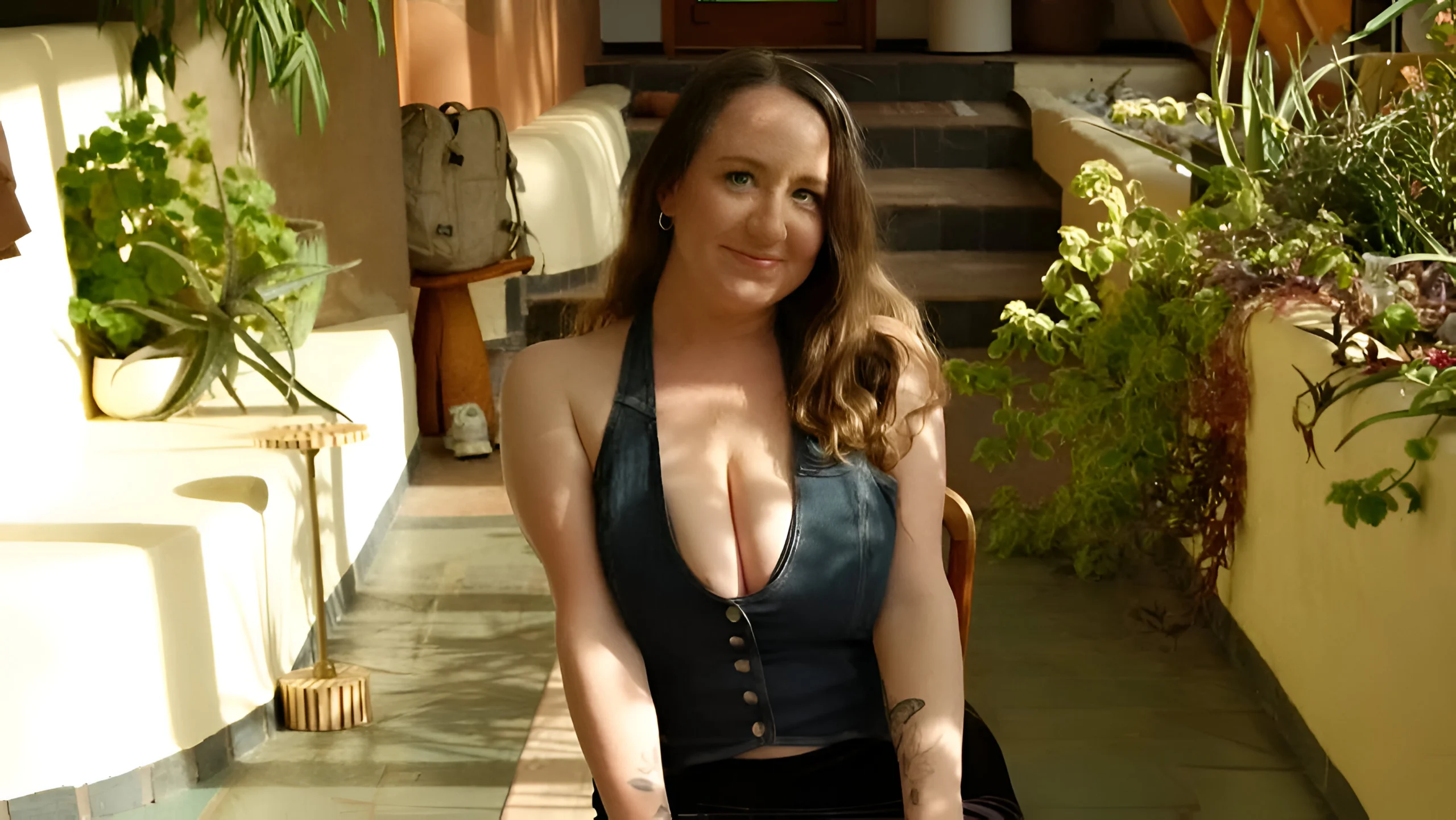
There are 442,000 reasons why Henna—known to her devoted followers simply as @hennextdoor—should be just another Instagram model with big boobs lost in the endless scroll of thirst traps and sponsored flat lay posts. But here’s the thing about Henna. She doesn’t just pose. She presences. On a Thursday afternoon in late February, I found myself doing what 442,000 other people do on a regular basis: I opened Instagram, navigated to @hennextdoor, and just… watched. Not in a creepy way. In a journalistic way. (This is my story, and I’m sticking to it.)
What I discovered across 187 posts wasn’t merely a woman with notable physical attributes. I found a masterclass in ownership. A dissertation on the radical act of simply existing in a body that doesn’t apologize for its geography. And yes—those breasts. Let’s talk about them. Because Henna certainly does.


The Architecture of Attention
Let’s address the elephant in the room. Or rather, the elephants on the chest. Henna possesses what the internet delicately terms “big boobs.” Not “blessed.” Not “generous.” Not any of the euphemisms we deploy to soften the reality of breasts that refuse to be subtle. We’re talking significant, undeniable, enters-the-room-five-minutes-before-she-does breasts. The kind that require strategic engineering in sundresses. The kind that inspire DMs ranging from marriage proposals to anatomical inquiries to things I cannot type in a family-friendly publication (and The BoobTalk Magazine is absolutely not family-friendly, but we have standards).
But here’s what separates Henna from the endless carousel of Instagram models with big boobs: she refuses to pretend they’re an accident. Scroll through her feed and you won’t find the careful curation of “I just woke up like this” energy that dominates the platform. There are no awkward angles designed to minimize. No strategic arm placement. No captions apologizing for the audacity of her existence.

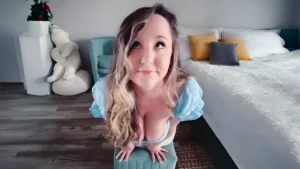

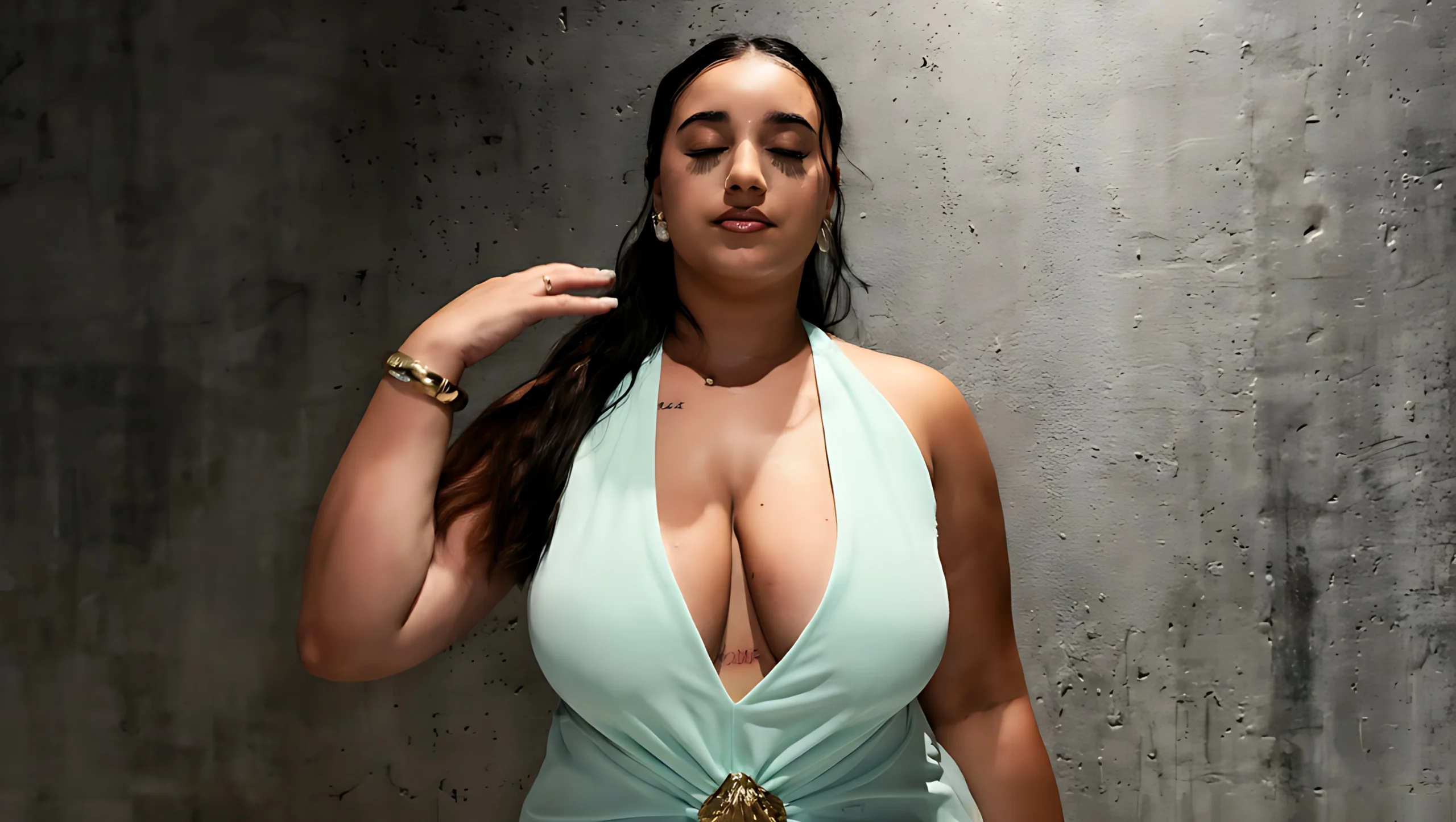
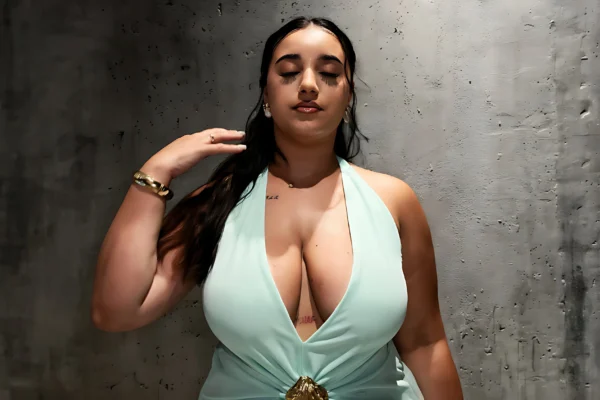
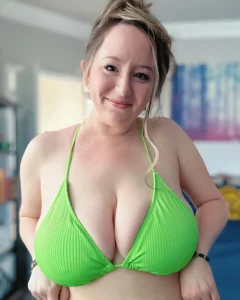
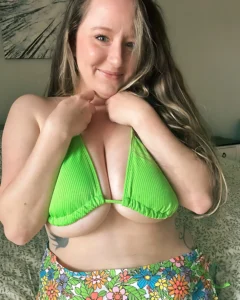
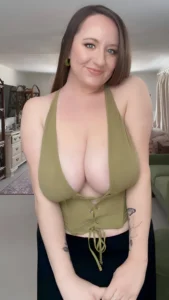
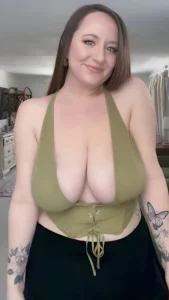
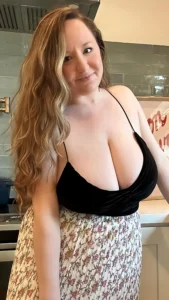
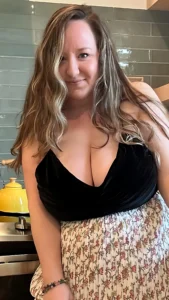
Instead, you’ll find Henna in a mint green halter top that appears to be locked in an existential battle with gravity. Henna in a blazer worn as a top—a choice that raises questions physics cannot answer. Henna in the now-iconic black mesh dress that broke the algorithm and, I suspect, the spirit of every woman who saw it and thought, “Well, I guess I’m just not trying hard enough.” “I used to think I needed to explain myself,” she wrote in a post from last September, one hand casually resting on her hip, the other holding an iced coffee that seemed almost defiantly small. “Like my body required a disclaimer. ‘Sorry about these, they’re just… here.’ But then I realized—apologizing for existing is a full-time job with no benefits.”
That post received 47,000 likes. The comments section became an impromptu support group. “I wore a backless dress yesterday and cried in the parking lot before going in,” one follower confessed. “Yesterday I wore the backless dress AND went inside,” another responded. “We’re getting there.” This is the Henna effect. Not inspiration—witness. She doesn’t lift you up so much as she stands firmly in her own space and invites you to occupy yours.
The Algorithm Doesn’t Know What to Do With Her
In the cold mathematics of social media, Henna should be a different kind of creator. The Instagram model with big boobs is a well-established archetype. There’s a playbook. You post in the golden hour, you engage with thirst comments, you link your Amazon storefront, you sell Bootea, you fade into the algorithm’s memory when younger models emerge. It’s not cynical—it’s business. The platform rewards predictability. But Henna keeps tripping over her own authenticity. Consider the March 3rd post.
The setup was classic: Henna in a fitted white tank top, hair slightly mussed, looking directly into the camera with that particular expression—half challenge, half invitation—that has launched a thousand screenshot notifications. The caption? Not a brand deal. Not a link in bio. Not even a flirtatious quip.
“My grandmother called me today and asked when I’m going to ‘do something’ with my life,” she wrote. “I told her I already did. I made peace with my body before I turned thirty. That’s the something.” The comments exploded. Women shared stories of grandmothers who measured their worth in wedding dates and career milestones. Men confessed they’d never considered that peace might be the goal. Henna responded to dozens of comments personally, her replies a masterclass in boundary-setting compassion. “Your grandmother loves you,” she told one woman. “She just doesn’t know that the war is over.”
This is the tension that makes @hennextdoor impossible to categorize. She is simultaneously occupying the space of desire and the space of healing, and those territories are not supposed to overlap. The male gaze doesn’t know what to do with a woman who is both aware of her visual impact and utterly unconcerned with your reaction to it. The female gaze doesn’t know what to do with a body that represents both aspiration and acceptance. Henna doesn’t resolve this tension. She simply lives in it.
The Weight of Being Seen
There is a particular exhaustion that comes with having significant breasts in a world designed for smaller bodies. It’s not just the physical weight—though Henna has documented that too, with refreshing candor. The shoulder grooves from bra straps. The impossibility of finding a button-down shirt that doesn’t gap. The specific agony of sprinting for the subway in insufficient support. It’s the attention tax. The constant awareness that you are being observed, categorized, assigned meaning. Every outfit is a statement you didn’t necessarily mean to make. Every movement is interpreted through the lens of your most prominent features.
“Sometimes I just want to buy milk without it being a whole thing,” Henna wrote in January, alongside a photo of herself in an oversized sweater that somehow still couldn’t hide her silhouette. “But I also don’t want to hide anymore.


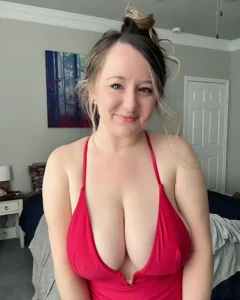
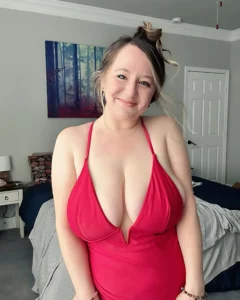
The hiding was worse than the staring.” She paused there, as if considering whether to continue. Then: “At least when they’re staring, I know where I stand.” I think about this post often. About how visibility is both burden and liberation. About how we ask women with prominent breasts to choose between being objectified and being invisible, as if those are the only options. About how Henna rejected both and created a third space—being seen on her own terms. Her followers noticed. They always do. “I wore a low-cut dress to my cousin’s wedding and my aunt told me I was ‘distracting,’” one woman shared in the comments. “I wanted to disappear.
Then I thought—what would Henna say?” What would Henna say? The question has become a quiet refrain in the comments section, a touchstone for women navigating the narrow straits of public existence in bodies that refuse to be modest. Henna’s response: “You weren’t distracting. She was distracted. Those are different things. Wear the dress.”
The Community She Didn’t Mean to Build
Henna didn’t set out to become a body positivity icon. Her origin story is almost comically mundane. “I just wanted to document my outfits,” she told a follower last year. “I was working in retail and finally felt like I understood how to dress my body. I thought maybe three people would care.” Nineteen following connections and 442,000 followers later, the @hennextdoor feed has become something far more significant than a style diary. It’s an archive of a woman learning to inhabit herself—and inadvertently teaching millions how to do the same. The transformation wasn’t linear. Early posts show a woman still negotiating with her reflection.
The angles are slightly different—shoulders turned, arms positioned, the careful choreography of concealment that women with big boobs learn before they learn algebra. But gradually, almost imperceptibly, Henna began to face forward.

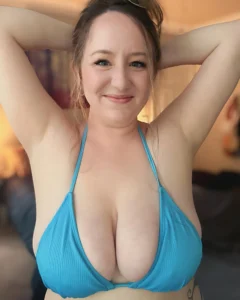
“I realized I was treating my body like a liability,” she reflected. “Like these breasts were a debt I’d never stop paying. But you can’t owe anything for existing. That’s not how debt works.” The shift in her photography was subtle but unmistakable. She stopped apologizing for her shadow. She stopped cropping her edges. She began taking up the full frame, and the frame responded by holding her.
Now her feed is a masterclass in what I’ve come to think of as radical occupation—the decision to simply remain in spaces that weren’t designed for you and watch them reshape around your presence.
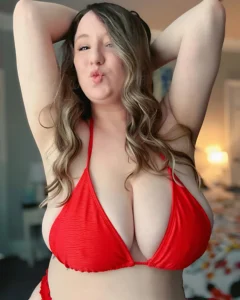
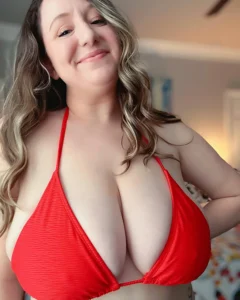
The Trolls and the Truth
Of course, 442,000 followers include 442,000 opinions, and not all of them are kind. Henna’s comments section is a fascinating sociological document. Scroll past the heartfelt confessions and you’ll find the predictable litany: attention-seeker, desperate, trying too hard, not trying hard enough, too much, not enough. What’s striking is how she handles it. “Some men get very angry that I exist without their permission,” she noted drily in a recent story.
“They think my body is an advertisement they didn’t ask to see. As if I owe them a content warning before I walk into a room.” She doesn’t block the trolls. She doesn’t engage them, either. Instead, she leaves their comments visible—not pinned, not amplified, simply present.
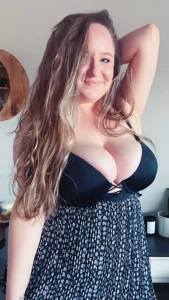
A quiet exhibit in the museum of other people’s limitations. “I used to think if I explained myself well enough, they’d understand,” she wrote. “But you can’t explain someone out of a position they never reasoned themselves into.” This, I think, is Henna’s most radical act. Not the confident poses or the unapologetic captions.
It’s her refusal to perform damage for an audience that will never be satisfied. She has simply stopped trying to earn approval from people who aren’t offering it.
What Comes Next
At 187 posts and counting, @hennextdoor exists at an interesting inflection point. The Instagram model with big boobs has a predictable trajectory—monetization, expansion, eventual burnout. But Henna seems uninterested in the standard playbook. She’s turned down lucrative shapewear deals (“I’m not going to sell women the idea that they need fixing”). She’s declined sponsorship from a major swimwear brand (“Their sizes stop at DDD and that’s not inclusion, that’s marketing”).
She’s maintained her modest 19-following count, a deliberate boundary in an economy that demands constant connection. “I’m not trying to build an empire,” she said recently. “I’m trying to build a life.
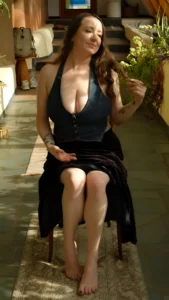
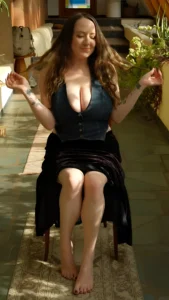
Those are different things.” Her followers sense this. The engagement on @hennextdoor isn’t the frantic, algorithmic energy of growth-hungry influencers. It’s slower, more deliberate—the rhythm of genuine connection rather than performative intimacy. What comes next for Henna is anyone’s guess. Perhaps she’ll continue her quiet revolution, one post at a time.
Perhaps she’ll eventually step back from the platform, her work complete. Perhaps she’s already given us everything we need—not a blueprint for how to have big boobs, but a demonstration of how to have yourself.

The Unapologetic Architecture of Being
I’ve spent weeks thinking about Henna. About the 442,000 people who check in with her regularly. About the 187 posts that document not a body but a becoming. Here’s what I’ve concluded: we don’t need another Instagram model with big boobs. We have plenty. What we needed was someone to model something else entirely—not how to look desirable, but how to stop performing desirability as a full-time occupation. We needed someone to demonstrate that breasts can be both prominent and incidental. That attention doesn’t have to be currency. That a body is not a mission statement. Henna isn’t changing the world. She’s just living in it, visibly, without apology. And somehow, that’s enough. More than enough.
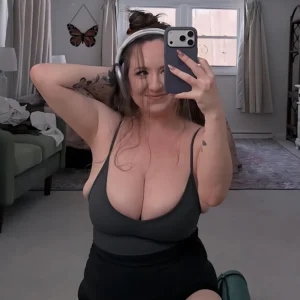
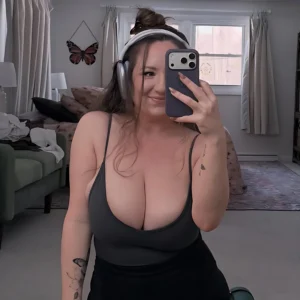
It’s revolutionary. “I don’t know if I’m a role model,” she wrote in her most-liked post, a simple mirror selfie that somehow captured her entirely. “I just know I got tired of making myself smaller for people who never planned to make room for me anyway.” She paused, as if considering whether to continue. Then: “So I stopped. And the room didn’t collapse. In fact, I think there was always space. I just couldn’t see it from the floor.” I see it now, Henna. We all do.